Understanding the psychology of gambling behavior in casinos
The Allure of Casinos
The bright lights, the sound of spinning wheels, and the anticipation of winning create an alluring atmosphere in casinos. This environment is meticulously designed to captivate players’ senses and evoke emotions. The psychological impact of these elements can lead to a euphoric state, encouraging individuals to spend more time and money. To enhance your experience, don’t forget to check out the Betflare app download link as it plays a crucial role in fostering gambling behavior.

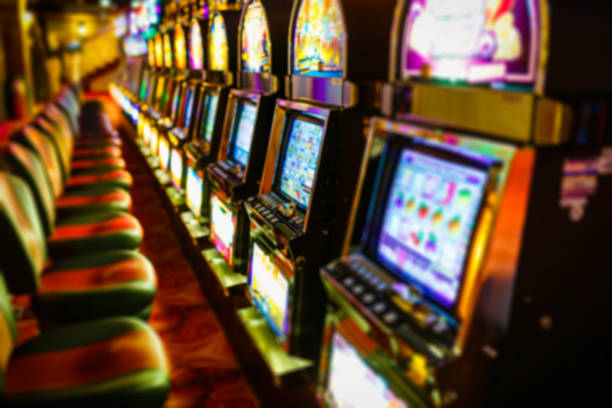
Casinos leverage various psychological triggers to enhance the gaming experience. For instance, the use of sound is a significant factor; the chimes of slot machines and the cheers from winning tables create an auditory landscape that encourages participation. Furthermore, visual stimuli such as bright colors and flashing lights not only draw attention but also enhance emotional responses, creating a sense of excitement that often overrides rational decision-making.
The psychology of gambling behavior is further complicated by the social aspects of casinos. Players often find themselves in the company of others, which can amplify feelings of excitement and competitiveness. The presence of fellow gamblers can serve as a catalyst for increased betting behavior, as the communal atmosphere creates shared experiences that enhance the thrill of the game.
The Role of Risk and Reward
Understanding the balance between risk and reward is essential in the psychology of gambling. Gamblers are often drawn to the potential for high rewards, despite the inherent risks involved. This attraction can be explained through the concept of “variable rewards,” where the uncertainty of winning creates heightened excitement and anticipation. In essence, the unpredictable nature of gambling can make the prospect of a win feel more significant and thrilling.
The brain’s reward system plays a pivotal role in gambling behavior. When players win, their brains release dopamine, a neurotransmitter associated with pleasure and reward. This biochemical reaction reinforces the gambling behavior, making it more likely that individuals will continue to gamble in pursuit of that exhilarating feeling. Consequently, players may find themselves returning to the casino repeatedly, chasing the high that comes with a win.
Moreover, the concept of loss aversion also influences gambling behavior. Many players are more motivated to avoid losses than to secure gains. This psychological phenomenon can lead to a pattern where gamblers continue to play in hopes of recovering previous losses, often resulting in increased betting and potentially more significant losses. This cycle of chasing losses is a critical factor in understanding why some individuals develop problematic gambling behaviors.
The Impact of Cognitive Biases
Cognitive biases significantly shape gambling behavior and decision-making processes. One of the most common biases is the “gambler’s fallacy,” where individuals believe that past outcomes influence future events. For instance, a player might think that a slot machine is “due” for a win after a series of losses. This erroneous belief can lead to poor decision-making and increased risk-taking behavior.
Another critical cognitive bias is the illusion of control, where players believe they can influence the outcome of a game through their actions, despite the randomness of most casino games. This belief can be particularly strong in games like poker, where players feel their skills can lead to a win. However, this illusion can encourage excessive gambling, as players become overconfident in their abilities and underestimate the role of chance.
Additionally, players may fall prey to confirmation bias, selectively focusing on winning outcomes while disregarding losses. This skewed perception can lead to the overestimation of one’s gambling skills and an inflated sense of confidence. Such cognitive distortions are crucial in understanding why some gamblers continue to engage in risky behaviors even in the face of consistent losses.
The Role of Emotions in Gambling
Emotions play a vital role in gambling behavior, often driving individuals to make decisions that defy logic. The excitement of winning can produce a rush of adrenaline, while losses can evoke feelings of disappointment and frustration. These emotional highs and lows can create an addictive cycle, where players chase the thrill of a win or attempt to mitigate the pain of a loss by continuing to gamble.
Moreover, stress and mood can significantly affect gambling behavior. Individuals may turn to gambling as a form of escapism during stressful times, seeking solace in the unpredictable nature of games. This coping mechanism, while initially offering relief, can lead to detrimental consequences, including problematic gambling habits that are challenging to break. Understanding the emotional triggers that lead to gambling is essential for both players and those seeking to support them.
The interplay of emotions also influences social interactions within casinos. Players often experience heightened emotions in a communal setting, where the shared excitement can lead to increased betting and irrational decisions. The collective thrill or despair can shape individual behaviors, amplifying the psychological pressures that lead to gambling-related risks.
Exploring Online Gambling Platforms
In recent years, online gambling platforms have gained immense popularity, providing a convenient alternative to traditional casinos. Understanding the psychology of gambling behavior in these virtual environments is crucial, as they offer unique challenges and opportunities for players. Online casinos often employ similar psychological strategies as physical casinos, using visual and auditory stimuli to engage players from the comfort of their homes.
Online platforms also leverage personalization through data analytics, tailoring experiences based on user behavior. This level of customization can create a more immersive experience, enhancing feelings of connection and engagement. Furthermore, the convenience of online gambling can exacerbate certain behaviors, making it easier for individuals to gamble without the physical cues present in traditional casinos.
Betflare Casino exemplifies this shift, offering a diverse range of games and features designed to attract players. With over 7,500 options, including live dealer games and slots, Betflare ensures that users have a plethora of choices, catering to various preferences and gambling behaviors. Understanding how these platforms engage players is critical to navigating the evolving landscape of gambling psychology.