The Allure of Casino Games
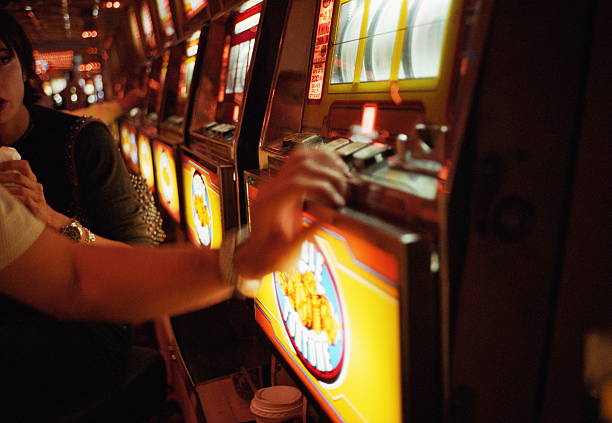
Casino games have captivated players for centuries, offering an electrifying blend of chance, strategy, and social interaction. The thrill of potentially winning large sums of money draws people into the vibrant world of casinos, whether in physical locations or online platforms. The ambiance of flashing lights, the sound of spinning reels, and the anticipation of a winning hand create an experience like no other, stirring excitement and adrenaline in players. For those interested in diversifying their gaming options, the rise of non gamstop casino platforms is gaining attention.

This allure is not merely about money; it encompasses the emotional highs and lows of gambling. Winning offers a euphoric feeling, while losses can evoke a deep sense of longing to reclaim what was lost. Such emotional responses are integral to the addictive nature of these games, intertwining players’ fortunes with their psychological states.
The psychology of gambling is complex, rooted in behaviors and motivations that can lead to addiction. One significant factor is the thrill of risk-taking. Players often feel a sense of control when making strategic decisions, leading them to engage even more with the games. This personal investment can create a cycle of risk and reward, where each win fuels the desire for future bets.
Additionally, casino games exploit certain psychological triggers, such as the near-miss phenomenon. When players nearly win, it can lead to a false sense of success, encouraging them to continue playing in hopes of achieving the actual win. These cues are engineered to keep players engaged, blurring the line between enjoyment and compulsion.
The environment of a casino greatly enhances the thrill of the games. The bustling atmosphere, combined with the presence of other players, fosters a sense of community and competition. This social aspect can amplify the excitement, as players cheer for each other and share their experiences. Casinos often design their spaces to encourage longer play, with comfortable seating, free drinks, and engaging entertainment close by.
Moreover, the social dynamics of casino games can contribute to their addictive nature. Players often form bonds while participating in games, which can lead to a reinforcing loop of social interaction and gambling. As relationships build around these activities, individuals may feel compelled to participate more frequently, driven by both camaraderie and the thrill of competition.
Personal stories of addiction can provide insight into the profound impact of casino games on individuals. Many who have experienced gambling addiction describe it as a rollercoaster of emotions, filled with euphoric highs during wins and devastating lows during losses. These narratives often reveal how quickly a casual hobby can spiral into an obsession, affecting not only the individual but also their relationships and financial stability.
Understanding these stories sheds light on the necessity of responsible gaming practices and the importance of recognizing the signs of addiction. Sharing experiences can also serve as a powerful reminder for others to enjoy gambling as a form of entertainment rather than a source of stress or financial burden.
At MesaOnline.org, we prioritize your safety and security while exploring the world of casino games. Our platform is designed with advanced security measures to protect users from online threats, ensuring a safe and enjoyable experience. Whether you’re a novice or a seasoned player, we offer guidance to help you navigate the exciting landscape of online gambling.
If you encounter any issues while accessing our site, we provide clear instructions on how to resolve them. Our dedicated support team is always ready to assist, so you can focus on enjoying the thrill of your favorite casino games with peace of mind. Join us at MesaOnline.org for a secure and exhilarating gaming experience.